

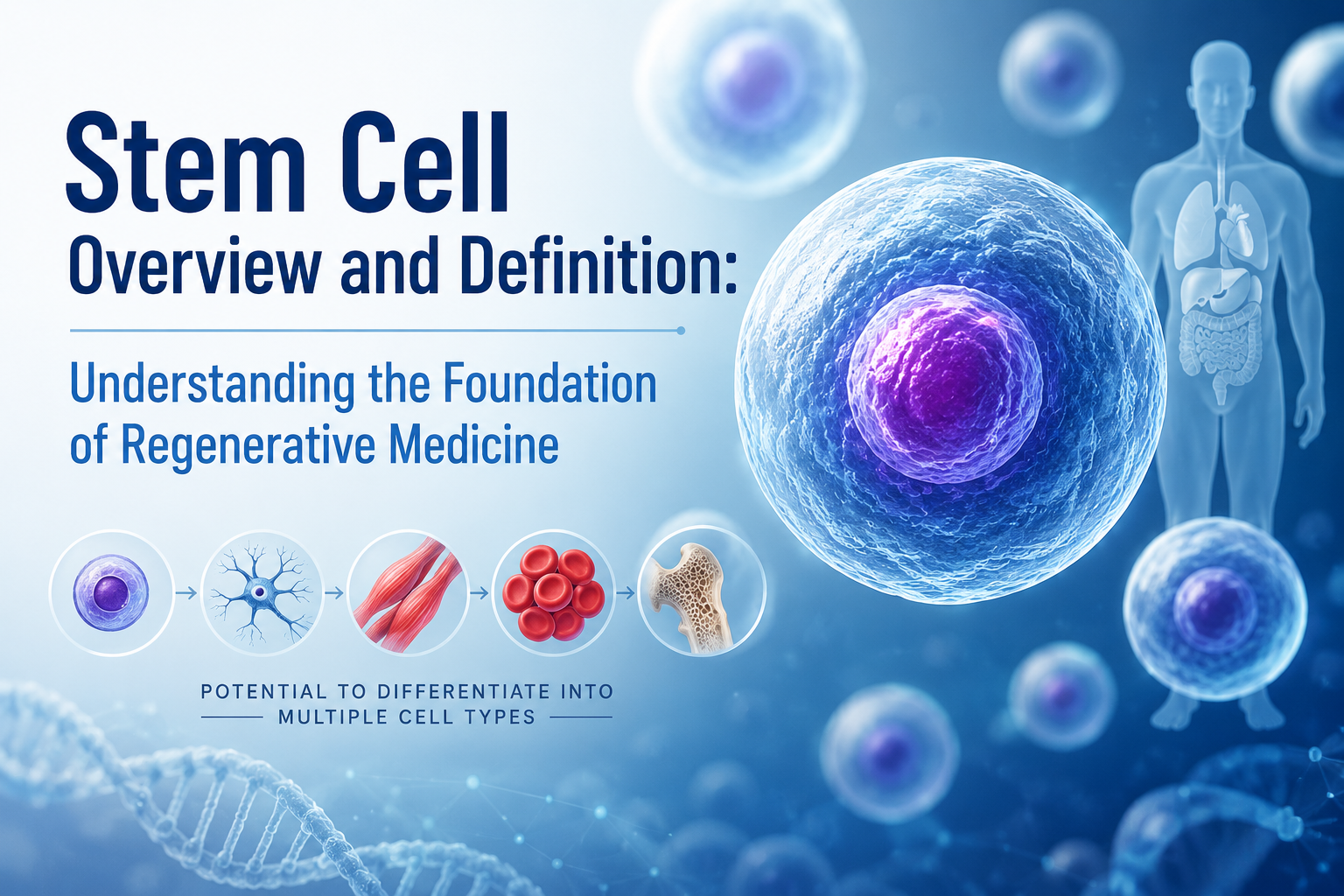
Stem cell are among the most fascinating and promising areas of modern medicine. Their remarkable ability to transform into different types of cells has opened new possibilities in treating complex diseases and improving patient outcomes. At Liv Hospital, advanced stem cell research and treatments are helping shape the future of healthcare through innovative therapies and personalized medical solutions.
To better understand their significance, this article explores Stem Cell Overview and Definition, explaining what stem cells are, their types, functions, and their role in medical science.
What Are Stem Cells?
Stem cells are unique cells in the human body that have the extraordinary ability to develop into many different specialized cell types. They serve as the body’s natural repair system, capable of dividing and renewing themselves over extended periods.
Unlike regular cells such as skin cells, muscle cells, or blood cells, stem cells remain unspecialized until they receive signals to develop into specific cell types needed by the body.
This remarkable characteristic makes stem cells crucial for growth, healing, and tissue regeneration.
For a more detailed clinical understanding of Stem Cell Overview and Definition, medical experts continue to study their applications in treating serious blood disorders and bone marrow-related conditions.
Key Characteristics of Stem Cells
Stem cells possess two essential properties that distinguish them from other cells:
1. Self-Renewal
Stem cells can divide and replicate for long periods while maintaining their original state.
2. Differentiation
They can transform into specialized cells such as:
- Blood cells
- Brain cells
- Heart muscle cells
- Bone cells
- Nerve cells
These capabilities make stem cells a cornerstone of regenerative medicine.
Types of Stem Cells
Stem cells are classified into several categories based on their source and developmental potential.
Embryonic Stem Cells
These stem cells are derived from early-stage embryos and can develop into nearly any cell type in the body.
Advantages:
- High versatility
- Extensive regenerative potential
Challenges:
- Ethical concerns
- Risk of uncontrolled growth
Adult Stem Cells
Also known as somatic stem cells, these are found in tissues such as:
- Bone marrow
- Fat tissue
- Blood
- Brain
Adult stem cells are commonly used in medical treatments because they are easier to collect and involve fewer ethical concerns.
Induced Pluripotent Stem Cells (iPSCs)
These are adult cells that scientists genetically reprogram to behave like embryonic stem cells.
They combine flexibility with fewer ethical limitations, making them a promising area of research.
Perinatal Stem Cells
These are collected from:
- Umbilical cord blood
- Placenta
- Amniotic fluid
They offer strong regenerative capabilities and are increasingly used in therapeutic applications.
How Stem Cells Work
Stem cells respond to signals from the body that instruct them to divide, repair, or replace damaged tissues.
When injury or disease affects an organ or tissue, stem cells can:
- Replace damaged cells
- Reduce inflammation
- Support tissue regeneration
- Restore normal cellular function
This process is essential for healing and recovery.
Medical Applications of Stem Cells
Stem cell therapies are transforming treatment approaches for many conditions.
Blood Disorders
Stem cell transplantation is widely used for:
- Leukemia
- Lymphoma
- Bone marrow failure
- Aplastic anemia
Neurological Disorders
Researchers are exploring stem cell use for:
- Parkinson’s disease
- Multiple sclerosis
- Spinal cord injuries
Orthopedic Conditions
Stem cell therapies may help repair:
- Cartilage damage
- Joint injuries
- Bone fractures
Cardiovascular Diseases
Stem cells are being studied for heart tissue regeneration after heart attacks.
Stem Cells and Bone Marrow Failure
Bone marrow failure occurs when the bone marrow cannot produce enough healthy blood cells.
Stem cell transplantation is often considered one of the most effective treatment options because it can restore healthy blood cell production by replacing damaged marrow with functional stem cells.
This treatment has provided hope for patients facing life-threatening blood disorders.
Benefits of Stem Cell Therapy
Stem cell-based treatments offer several advantages:
Minimally Invasive Procedures
Many therapies involve simple extraction and reinjection processes.
Regenerative Potential
They promote natural healing rather than merely managing symptoms.
Reduced Dependency on Surgery
In some cases, stem cell therapy may reduce the need for invasive surgical procedures.
Personalized Treatment
Therapies can often use the patient’s own cells, minimizing rejection risks.
Challenges and Limitations
Despite their promise, stem cell treatments face several challenges:
- High treatment costs
- Limited long-term data for newer therapies
- Regulatory approval requirements
- Variable effectiveness depending on the condition
Ongoing clinical trials continue to address these limitations.
The Future of Stem Cell Research
The future of stem cell science is highly promising.
Researchers are exploring:
- Organ regeneration
- Gene editing combined with stem cells
- Personalized regenerative therapies
- Advanced tissue engineering
These innovations may revolutionize medicine in the coming decades.
ALSO READ : Corenoc Northridge: Advanced Healthcare Solutions
Conclusion
Understanding stem cells is essential for appreciating their growing impact on modern healthcare. Their ability to repair, regenerate, and restore damaged tissues makes them one of the most exciting developments in medical science.
As research advances, stem cell therapies are expected to provide even more effective solutions for challenging diseases, including bone marrow failure and other life-threatening conditions. With institutions like Liv Hospital leading innovative treatments, stem cell medicine continues to offer hope for better health outcomes worldwide.