

No parent wakes up one morning and casually decides to look into a child’s autism assessment. Usually, it starts small. Comment from the nursery. A teacher says your child struggles socially.
Family members are comparing them to cousins. Or just a quiet feeling that something feels different.
You might push the thought away at first. Many parents do. You tell yourself that every child develops differently. And that is true. But when the same worries keep coming back, it is worth paying attention.
Across Birmingham and Staffordshire, more parents are searching for autism testing near me because they want clarity. Not labels. Not assumptions. Just understanding. Let’s talk about what that looks like in real life.
When Communication Feels Harder Than It Should
One of the most common reasons parents seek a child’s autism assessment is communication differences. This does not always mean a child cannot talk.
Sometimes it looks like this:
- Your child talks a lot, but conversations feel one-sided
- They do not always respond when you call their name
- Eye contact feels brief or uncomfortable
- They repeat phrases from YouTube or TV shows
- They struggle to explain feelings
You may notice other children naturally chat back and forth, while your child finds that part exhausting or confusing. Teachers may describe them as bright but quiet. Or verbal but socially awkward.
If communication differences are persistent and affecting school or friendships, it is reasonable to explore an autism diagnosis near me rather than waiting and hoping things improve on their own.
Social Situations Feel Overwhelming
Some children are shy. That is normal. Autism is different from shyness. A child who may need an autism assessment often wants connection but struggles with the unwritten rules of social life.
They might:
- Stand on the edge of the playground, unsure how to join in
- Interrupt without realising
- Take jokes literally
- Prefer playing alone because group play feels unpredictable
Birthday parties can become stressful instead of exciting. Group work at school may lead to anxiety or shutdown. If social struggles are ongoing and not improving with age, speaking to an autism specialist near me can help you understand what is really going on.
Strong Routines and Big Reactions to Change
Most children like routine. But some children rely on it. You might notice your child needs things done in a specific order. The same cup. The same bedtime sequence. The same route to school. If something changes, the reaction can feel intense. Not a mild complaint. A full meltdown. These reactions are not about being stubborn. Often, they are about predictability. Predictability feels safe. During a child’s autism assessment, clinicians look closely at flexibility, routine, and how a child copes with change.
Repetitive Movements and Focused Interests
You may have noticed certain repetitive behaviours.
- Rocking
- Hand flapping
- Spinning
- Pacing
These movements are often ways to regulate emotions or sensory input. Then there are focused interests. Some children develop deep knowledge about a specific topic. Dinosaurs. Space. Maps. Numbers. Trains.
It can be impressive. But if the interest dominates conversations and daily life, it may form part of the wider picture considered in a child’s autism assessment.
Sensory Differences That Affect Everyday Life
This is an area many parents overlook at first.
Does your child:
- Cover their ears in supermarkets
- Refuse certain clothing because it “hurts” even though it looks soft
- Struggle with certain food textures
- Avoid messy play completely
Or maybe they seek sensory input by constantly jumping, crashing into furniture, or spinning. Sensory sensitivities can make school environments extremely challenging. Bright lights, loud classrooms, scratchy uniforms. If your child seems constantly overwhelmed by their environment, it is worth discussing autism testing near me with your GP or a local clinic in Birmingham or Staffordshire.
Emotional Regulation Struggles
Some parents describe feeling like they are walking on eggshells. Small things can trigger big reactions. Transitions are difficult. After school, meltdowns are common. It can look like anger.
But often it is overloaded. A proper child autism assessment explores patterns behind these behaviours rather than judging the behaviour itself.
When Should You Seek an Assessment?
Here is a simple way to think about it.
- If the concerns are consistent
- If they have lasted longer than six months
- If they are affecting school, friendships, or family life
- If your gut keeps telling you something is not quite adding up
That is usually enough reason to seek advice. At this stage, many families begin exploring a professional child autism assessment to better understand what support their child may need. You do not need to wait for a crisis. You do not need someone else to validate your worry first. Many parents in Birmingham and Staffordshire start by speaking to their GP. Others look for a private autism specialist near me because waiting lists can be long.
What Happens During a Child’s Autism Assessment?
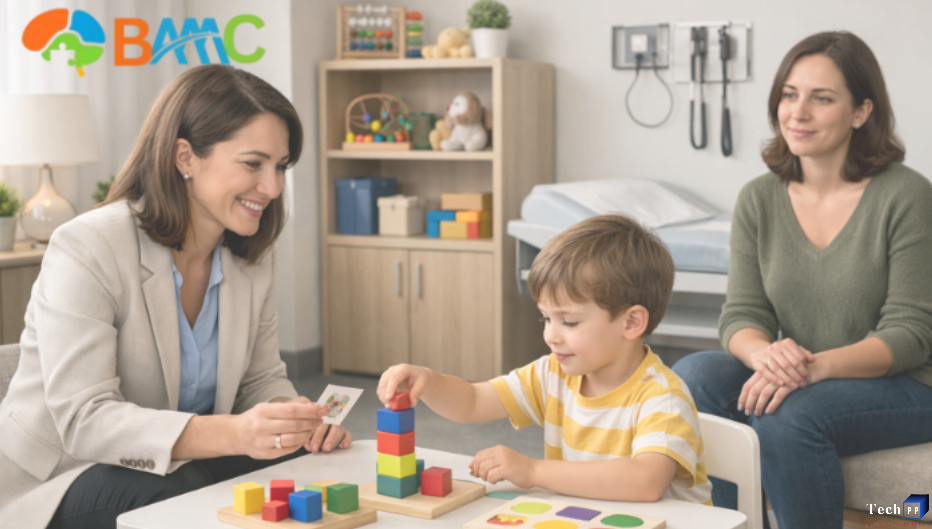
Parents often imagine something clinical and intimidating. In reality, it is structured but child-friendly. You will have a detailed conversation about your child’s development. Pregnancy, early milestones, speech, behaviour, and school experiences.
Your child will take part in interactive activities designed to observe communication and social interaction. It is not a pass or fail test. It is about patterns. After the assessment, you receive feedback and a written report. If your child meets the criteria, you receive a formal diagnosis. If not, you still receive guidance and recommendations.
Why Getting Clarity Matters
Some parents fear that a diagnosis will limit their child. In most cases, it does the opposite. A confirmed outcome from a child’s autism assessment can help schools put support in place. It can help you apply for additional educational assistance. It can help family members understand your child better.
Most importantly, it replaces uncertainty with clarity. You stop blaming yourself. You stop guessing. You start planning.
Also Read: Tooth Trouble: What Really Harms Your Smile
Child Autism Assessment in Birmingham and Staffordshire
If you are searching for an autism diagnosis near me, you generally have two routes.
NHS Referral
Through your GP or school. Waiting lists can be long depending on the area.
Private Assessment
With a qualified multidisciplinary team. Shorter waiting times. Comprehensive reports. Both are valid. The right choice depends on waiting times, budget, and urgency. Make sure any provider follows recognised national guidelines and uses structured assessment tools.
Questions Parents Often Ask
I’m not sure if I’m overthinking. What’s usually the first sign?
It’s usually not one big thing. It’s small patterns. Not responding to their name. Struggling socially. Strong reactions to change. If it keeps happening, it’s worth looking into a child’s autism assessment.
My child talks fine. Could it still be autism?
Yes. Autism is not just about delayed speech. Some children speak very well but struggle with conversation and social understanding.
At what age do signs normally appear?
Often between one and three years old. But some children are not identified until school age.
Are children born with autism?
Yes. Autism is something a child is born with. It’s not caused by parenting or vaccines.
How do I know if my child really needs an assessment?
If your concerns have lasted for months and are affecting daily life or school, it’s reasonable to seek advice.
What if it turns out not to be autism?
You still gain clarity. The assessment can highlight other needs and help you better understand your child.
Final Thoughts
If you are repeatedly thinking about a child’s autism assessment, there is usually a reason. Parents rarely imagine patterns that are not there. Whether your child is ultimately diagnosed or not, seeking answers shows that you are paying attention. And that matters.
If you are in Birmingham or Staffordshire and recognise several of these signs, speaking to an autism specialist near me could be the first step toward understanding your child more deeply. And understanding is where the right support begins.