

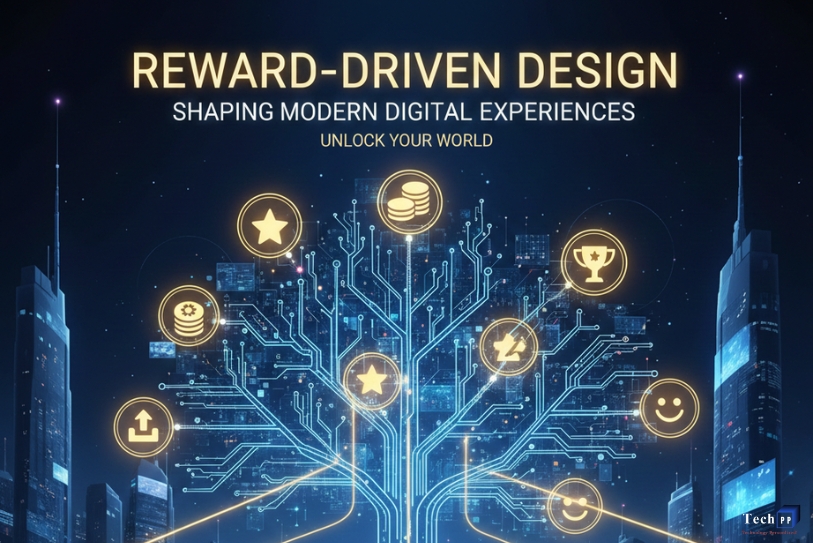
Reward-Driven Design! The ways we engage with entertainment have changed dramatically, as the latest digital trends come and go in the blink of an eye. We are in an era where streaming services, immersive gaming experiences and interactive communities command our screens. But hidden between the flashier graphics is more subtle innovation: how companies are designing mechanics to capture attention, reward engagement, and bring users back for more.
The psychology of reward loops in digital entertainment
Today, when you open an app or a game, you’re frequently met with daily challenges, bonus rounds or rotating offers. The features tap into a well-known psychological principle called the “variable reward schedule”, when, how big and what type of prize changes in unpredictable ways. It’s the same sort of structure that has been meticulously studied in behavioural psychology, and it’s deployed everywhere: from mobile games to loyalty systems in retail apps. By structuring incentives this way, platforms can sustain user interest longer and prompt a sense of excitement every time you log back in.
And because the mechanics are so subtly built in, you may not always be aware of them. Some designers will offer rewards like a “spin the wheel” bonus, timed offers, or even rotating prize pools, all intended to retain and engage players without changing anything significant about the product itself. It’s a neat way to invigorate an experience without overhauling the codebase.
Cross-industry lessons: what other sectors can learn
It’s not just gaming apps that have instant reward systems. E-commerce sites fling time-limited coupons at our screens, streaming services dangle “watch-for-x days in a row” incentives, and even fitness apps offer virtual badges. One interesting crossover is with services offering online casino promotions While the subject might immediately suggest a specific industry, the underlying structure is familiar: repeat visits, layered incentives and reward tiers. The model is notable for its transferability: any app that wants its users to return can take a page from these models.
In retail, a fashion brand could run a “mystery discount” pop-up store every Friday, for instance. For education-tech, that might be giving a bonus streak for every five lessons you complete in a language app. These mirror the engagement rhythm present in other industries: getting users hooked with a tried-and-true reward mechanism, but by adding an element of surprise or scarcity. The trick is to design the loop so it feels dynamic rather than scripted.
But companies that apply them have to balance reward density (how often you give something) with perceived value. When rewards are too small and too regular, users get bored. Too few and it can fall off. The sweet spot is somewhere in the middle; enough incentive to return, but not so much that you can predict precisely what will happen the next time.
By observing how rewards are designed, audited, and updated, any organisation in any sector can increase engagement without spending heavily on advertising or hiring an agency to start from scratch. By understanding these models and adjusting them ethically and user-focused, you can craft experiences that are both fresh and familiar.